Abuja Food Scene 2026: What to Eat, Where to Go, and What Is Changing
Hussein - AbujaEats
Food Writer & Critic
Abuja's food scene has entered a more interesting chapter. The city is still calm compared with Lagos, but the dining culture is no longer quiet. It is practical, social, ambitious, and increasingly shaped by people who want better food without wasting time or money.
The best way to understand Abuja in 2026 is to stop asking for one "best restaurant" and start asking better questions: What kind of day are you having? Who are you eating with? Do you want a quick plate, a quiet table, a charcoal-smoke street food moment, a business lunch, or a weekend meal where nobody feels rushed?
That is the lens AbujaEats is using this year.
The city now eats by mood
Wuse 2 remains the most energetic dining district for people who want options close together. It works for casual meetups, late lunches, cafes, shawarma runs, lounges, grills, and "let us just find somewhere nearby" decisions.
Maitama still carries the more polished side of Abuja dining. It is where many people go when the room matters as much as the plate: date nights, diplomatic dinners, client meals, birthdays, and slower conversations.
Garki keeps the city grounded. It is one of the places where Abuja's practical food life shows up strongest: soups, rice plates, swallows, buka meals, suya, bole, quick lunches, and restaurants that win through flavour rather than decoration.
Gwarinpa is the comfort zone. It feeds families, residents, students, remote workers, and groups who want generous food without always driving toward the city centre.
Jabi has become useful for breezy meals, mall stops, lake-area weekends, and food plans that combine errands with relaxation.
Prices are changing how people choose
Food inflation and operating costs have made Abuja diners more intentional. People still eat out, but they compare value more carefully. A beautiful space is no longer enough if the portion is weak, the service is careless, or the menu feels confused.
This is good news for serious restaurants. Diners are rewarding places that get the basics right: clean rooms, fresh ingredients, honest portions, menu consistency, good staff training, and clear pricing.
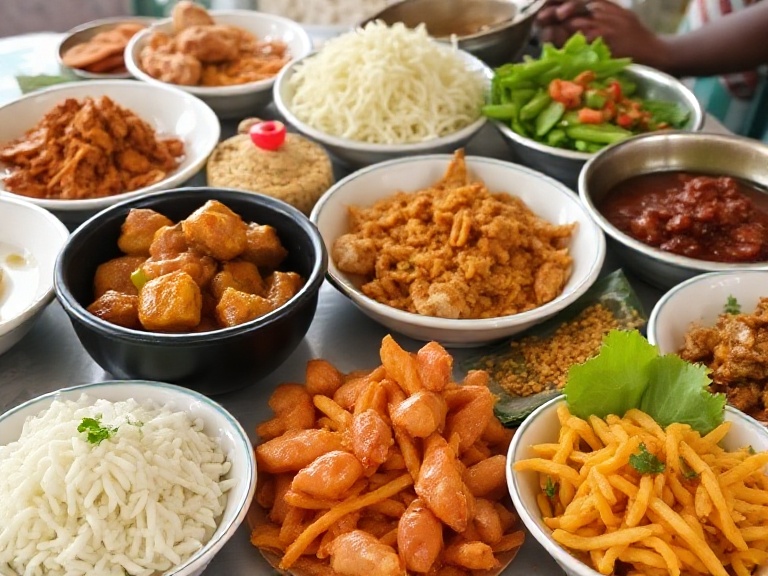
It is also why street food and local restaurants remain powerful. Suya, masa, bole, rice and stew, amala, beans, soups, and pepper soup still win because they deliver flavour quickly and directly.
Delivery is part of the dining map
Abuja's food decisions are no longer limited to where you can sit. Delivery has changed how people discover restaurants, especially for lunch, late workdays, rainy evenings, and office group orders.
But delivery does not treat every food equally. Rice bowls, grills, pasta, shawarma, pastries, soups in secure packaging, and plated proteins travel better than delicate fried items or meals that need steam and texture to feel complete.
Before judging a restaurant from delivery alone, ask two questions:
- Does this dish naturally travel well?
- Did the restaurant package it with care?
Some places are excellent in person and average on delivery. Others are built for delivery and surprise you at home.
The market still explains the plate
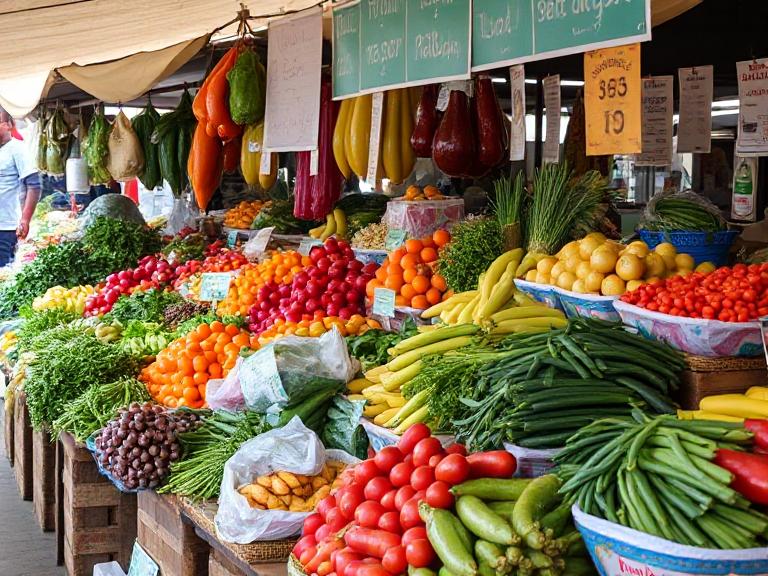
Abuja restaurants depend heavily on what moves through markets like Wuse, Garki, Utako, Gudu, and neighborhood produce points. Tomatoes, pepper, onions, grains, fish, beef, chicken, yam, garri, palm oil, spices, and greens are not background details. They decide the taste of the final plate.
When pepper prices rise, stew changes. When good tomatoes are in season, jollof tastes brighter. When fish is fresh and handled well, pepper soup becomes memorable.
That is why AbujaEats will keep paying attention to markets, not just menus.
What to eat more of this year
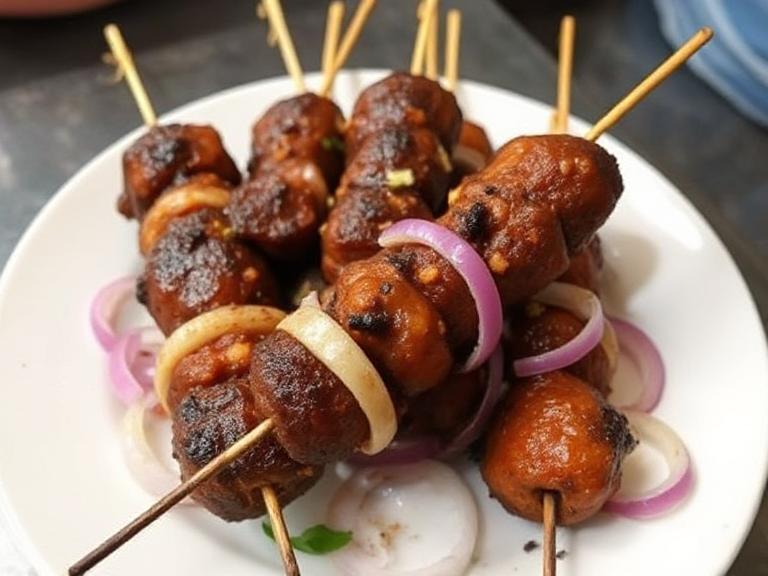
Start with suya when you want Abuja after dark. It is social, smoky, fast, and deeply Nigerian.
Choose soups when you want to judge a kitchen's seriousness. Egusi, vegetable soup, okra, ogbono, efo riro, bitterleaf, and nsala reveal patience, seasoning, and ingredient quality.
Try more northern-inspired plates: masa, kilishi, tuwo, miyan kuka, and grilled meats. Abuja is a meeting point, and northern flavours are part of its identity.
Do not ignore bakeries and cafes. The city's breakfast and dessert culture is growing, especially around Wuse 2, Maitama, Garki, and Jabi.
How AbujaEats will guide you
Our job is not to make every place sound perfect. It is to help you choose well.
Expect neighborhood guides, practical dining checklists, market notes, budget ideas, family-friendly picks, date-night planning, street food coverage, and restaurant features that explain who a place is really for.
Abuja has enough food for every mood. The trick is knowing where your mood belongs.
Never Miss a Food Review
Join our community of food lovers and get weekly restaurant recommendations, exclusive dining tips, and the latest food news in Abuja.
Own a Restaurant in Abuja?
Get featured on AbujaEats and reach food lovers across the city.
List Your Restaurant